

Solar and battery systems for Australian businesses
When does your business use the most electricity? We use your meter data, tariff and available roof space to compare the costs and likely savings of solar, with or without a battery.
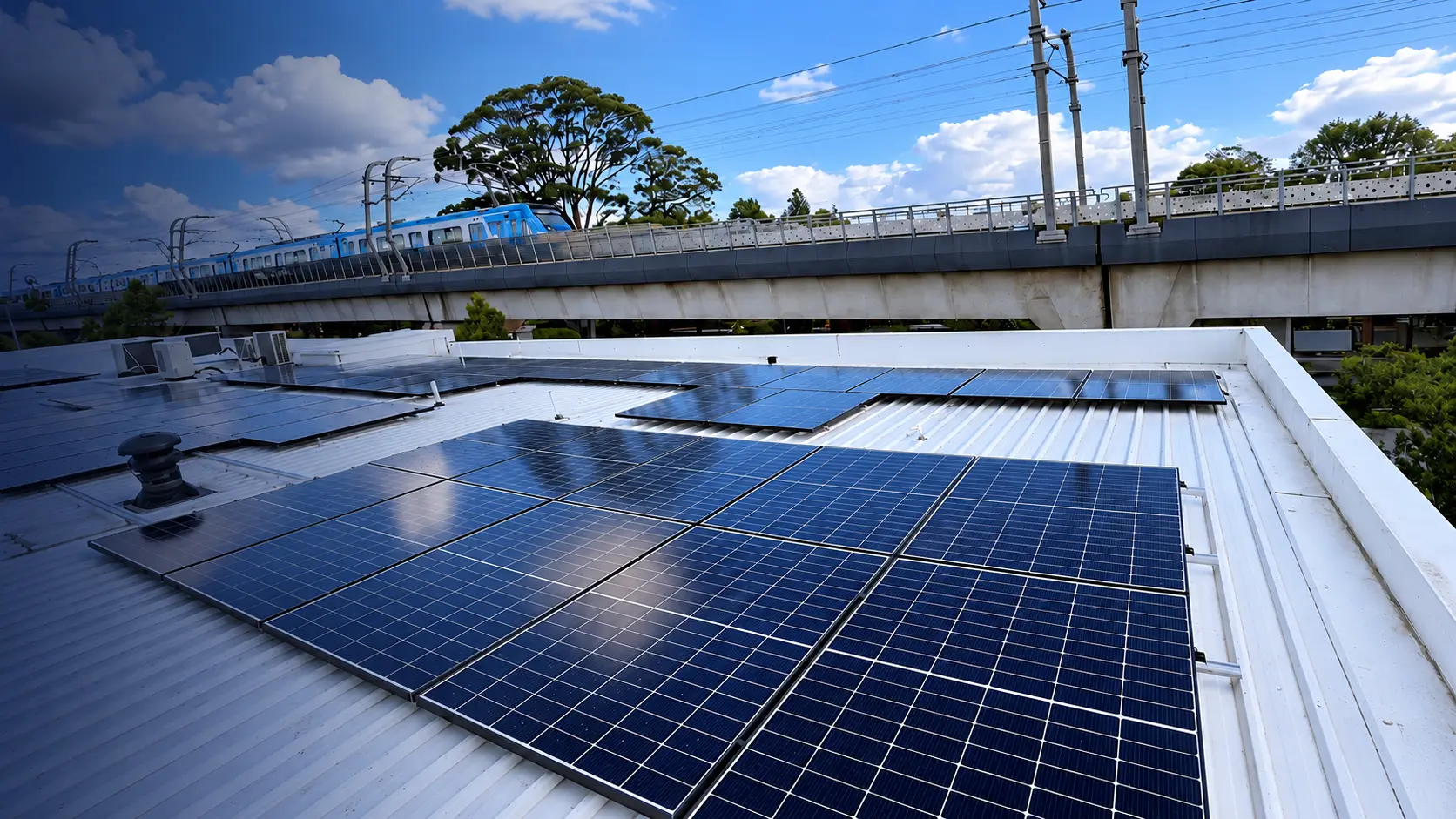
Start with how your business uses power
We help business owners, facility managers and property stakeholders understand how solar and storage may affect electricity costs, operating resilience and long-term capital planning. Every recommendation is based on site information—not a generic package.


See the costs and estimated payback
Your proposal shows how much power the system could generate, how much your site could use and which tariff assumptions drive the estimate.
Modelled Payback
Payback is calculated from actual electricity data, tariffs, system output assumptions and installed project cost—not a generic industry promise.
Certificate & Tax Considerations
We identify the applicable STC or LGC pathway for the project. Depreciation and tax treatment should be confirmed with your accountant.
Long-Term Cost Visibility
Compare projected energy savings, maintenance assumptions and finance costs across the expected operating life of the system.
30kW–100kW Commercial Solar
Suitable for offices, retail, warehouses and light manufacturing with consistent daytime electricity use.
100kW–500kW+ Industrial Solar
Designed for logistics, cold storage, manufacturing and larger facilities requiring detailed grid and engineering coordination.
Commercial Battery Storage
Assess load shifting, peak-demand management, backup requirements and solar self-consumption with clearly defined operating assumptions.
Warehousing & Logistics
Use large roof areas to offset lighting, material handling, refrigeration and office loads during operating hours.
Manufacturing & Industrial
Match high daytime demand with solar generation while accounting for machinery loads, harmonics, shutdown planning and protection requirements.
Retail & Commercial Property
Reduce common-area electricity costs and support building energy-performance and sustainability objectives.
Agriculture & Processing
Model seasonal pumping, refrigeration, processing and storage loads to identify realistic solar and battery opportunities.
End-to-End Commercial Project Management
From initial data review to commissioning, each stage is documented so your business understands responsibilities, approvals, costs and expected outcomes.
1. Interval Data Analysis
We review available smart-meter interval data, tariffs, demand charges and seasonal consumption patterns.
2. Site & Electrical Assessment
Roof, structure, switchboards, cable routes, protection, access and operational constraints are assessed.
3. Grid & Engineering
We coordinate the applicable DNSP application, export conditions and specialist engineering where required.
4. Installation & Commissioning
Work is planned around business operations, with shutdowns, testing, handover and monitoring requirements clearly defined.
What Your Commercial Energy Proposal Includes
We separate modelling assumptions from confirmed equipment, engineering and installation costs so management, owners and advisers can review the project clearly.
- Interval data and tariff review
- Recommended PV and battery capacity
- Panel, inverter and system configuration
- Grid application and export-condition scope
- Estimated annual generation and self-consumption
- Applicable certificate pathway and assumptions
- Structural and electrical engineering inclusions
- Itemised installed price and optional costs
- Modelled cash flow and payback assumptions
- Product, performance and workmanship warranties
When does a battery make sense for your business?
Battery value depends on the site load profile, tariff structure, peak demand, outage exposure, operating hours and available solar generation. We model these factors before recommending capacity or backup scope.
- Peak-demand and load-shifting assessment
- Solar self-consumption analysis
- Critical-load and backup-scope definition
- Inverter and switchboard compatibility review
- Operating strategy and warranty considerations
Commercial Funding Options
Project funding should be considered alongside the energy model and business cash-flow requirements.
CAPEX Purchase
Direct ownership may provide the strongest lifetime value where the business can fund the asset.
Equipment Finance
Eligible businesses may consider finance or green-loan products from third-party providers, subject to approval and contract terms.
PPA or Structured Options
Long-term power purchase or structured arrangements may be available through specialist third parties. Independent legal and financial advice is recommended.
Commercial-Grade Technology & Australian Support
Equipment is selected according to electrical design, environmental conditions, compatibility, monitoring, warranty support and project requirements—not brand name alone.
Jinko Solar
Sungrow Commercial
Fronius
Project-Specific Selection
Commercial Solar Support Across VIC & NSW
Delivery arrangements are stated clearly for each market so customers understand who manages design, installation and support.
Victoria
Commercial project planning and installation support across Melbourne and Victorian industrial corridors.
New South Wales
Commercial project planning and installation support across Greater Sydney and suitable regional locations.
Commercial Site Assessment
Send us your site address and a recent electricity bill. We’ll review when your business uses power and what to check on site before recommending a system.
Commercial Project Experience
Review genuine SolarPlus installations using verified project photography, location information and system details. We publish project capacity and scope only after the information has been confirmed.
Commercial Solar & Battery FAQs
Request a Commercial Energy Audit & Financial Review
Provide a recent electricity bill, business location and contact details. We will review the available information and outline the next steps for interval-data analysis, site assessment and a preliminary commercial proposal.
Confidential review. Project-specific modelling. No obligation.